Etal Castle

Description

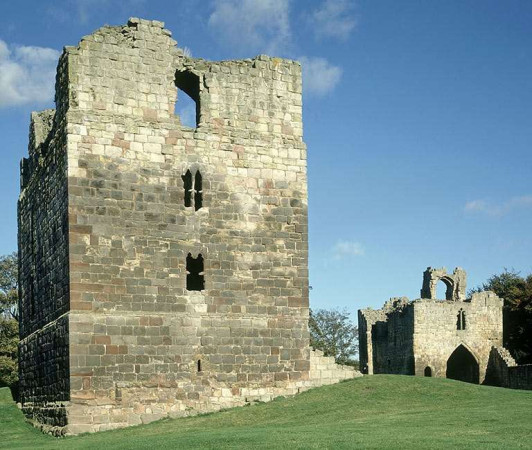
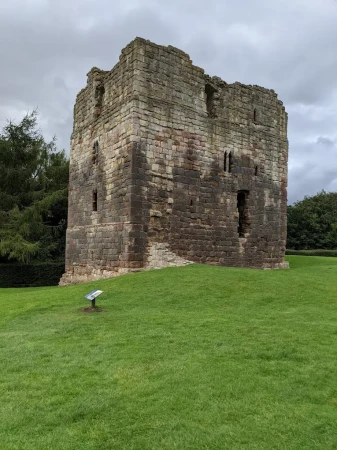
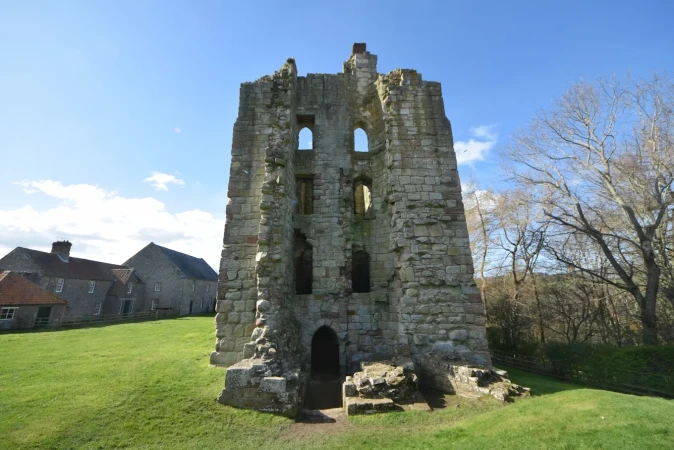
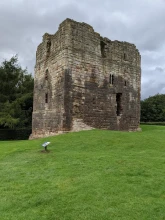
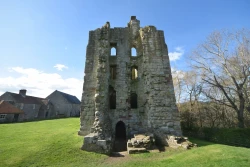
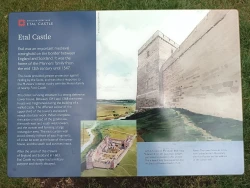
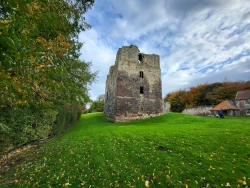
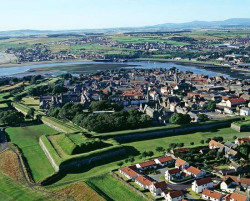
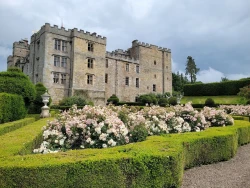
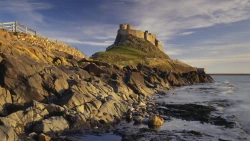
Etal Castle Set in the charming village of Etal by a ford over the river Till, this Northumberland castle is the ideal location for a family day out. Built by Robert Manners as a defence against Scots raiders in the mid 14th century, it fell to James IV’s invading Scots army in 1513, immediately before their catastrophic defeat at nearby Flodden. The Flodden Battlefields are just a stones throw away from the castle so make sure to include it in your visit.

To complete your day out, bring along a picnic to enjoy in the surroundings of the Ford and Etal Estates. Etal is a fine example of a small castle close to the border between England and Scotland. It lies in what was formerly a wild and dangerous region, where raiding and warfare were common during the Middle Ages. Captured by the Scots in 1513 during James IV’s attempted invasion of England, it was recovered shortly afterwards following his defeat at the Battle of Flodden.

Free Entry. If you are looking for Best place for day out with kids and families then this is the perfect destination offering fun, adventure, and unforgettable memories for everyone.

Features

  • Paid
  • Host birthday parties: No

Features

  • History of Etal Castle: Etal is a fine example of a small castle close to the border between England and Scotland. It lies in what was formerly a wild and dangerous region, where raiding and warfare were common during the Middle Ages. Captured by the Scots in 1513 during James IV’s attempted invasion of England, it was recovered shortly afterwards following his defeat at the Battle of Flodden.
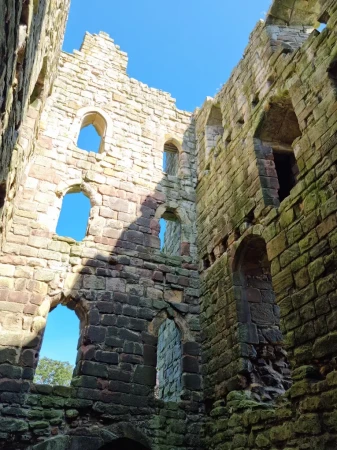
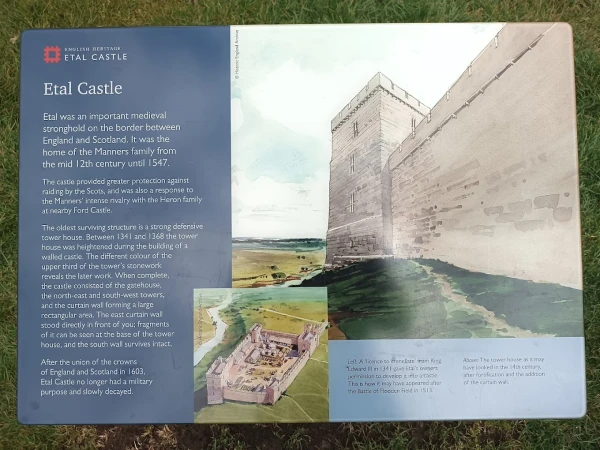
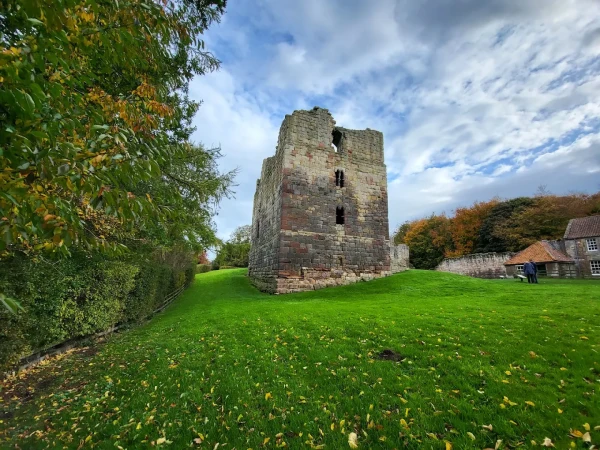
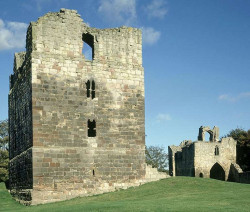
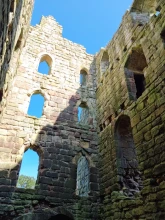
  • The remains of the castle date mainly to the 14th century, when it belonged to a prominent local family, the Manners. It fell into disrepair after the union of the English and Scottish Crowns in 1603.
  • The borders: Etal Castle lies in north Northumberland, in England but close to the border with Scotland, and in an area that has long been known as the Borders. During the whole of the Middle Ages, this was a dangerous and lawless frontier region, prone to raiding and plundering by armed groups. Etal’s place in this story begins in the decade after 1100, when the new Norman overlords of England began to exert their control in the North.
  • Etal and the Manners family: The manor of Etal lay within the barony of Wooler, created for Robert de Muschamp in 1107. The barony extended in a broad continuous block across Northumberland, from the Cheviot Hills in the west to the North Sea at Budle Bay in the east. By 1232 (and possibly 1180), Etal was owned by Robert Manners. His descendants continued to be lords of Etal throughout the Middle Ages, before exchanging it for land elsewhere and leaving the Borders in 1547.
  • The Manners–Heron feud: Petty rivalry and feuding between families and their dependants were features of life in the Borders. In an atmosphere where violence, the destruction of property and theft were common during cross-border raids, power struggles between local families of the same nationality could also get out of hand.
  • The castle’s development: Nothing is known about the manorial buildings at Etal in the 12th and 13th centuries. There may have been a timber-built hall and associated buildings, probably inside a defensible earthwork enclosure with a palisade, called a barmkin.
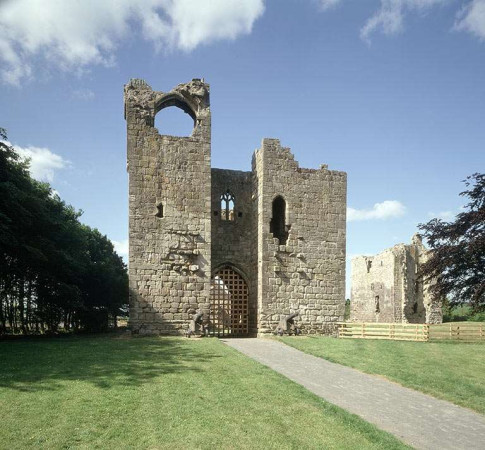
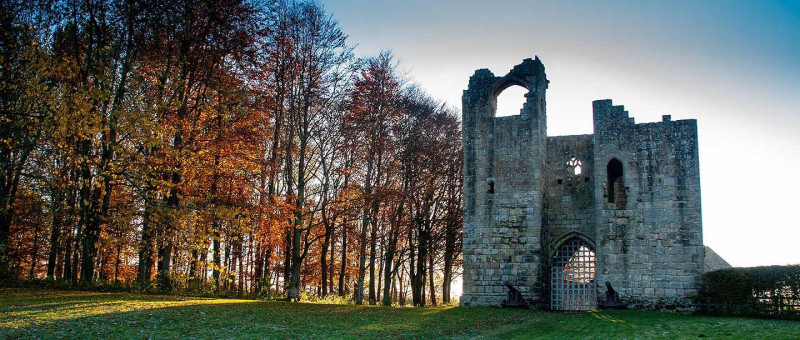
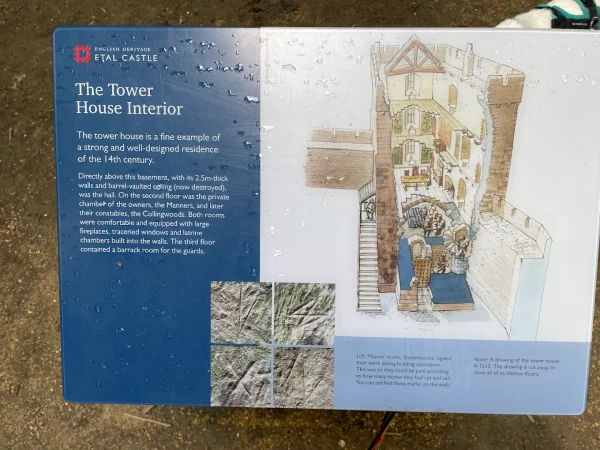
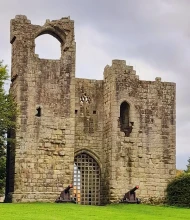
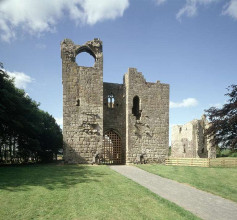
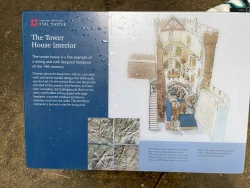
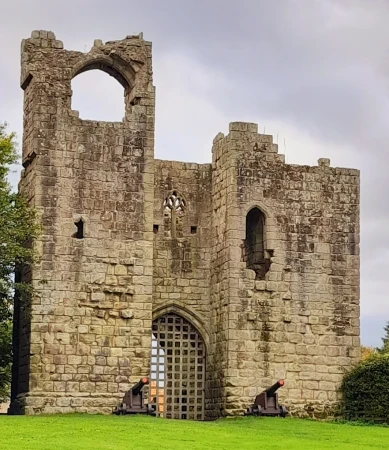
  • The castle buildings: The gatehouse is two storeys high except in the flanking towers, which originally had three storeys. The gateway may have had a drawbridge and a projecting timber hoard (a fighting gallery), both long gone. Behind the drawbridge were a portcullis and the gate passage, where opposing doorways led into two guardrooms. The first floor had one large room which housed a winch for operating the drawbridge and portcullis, and may have doubled as a chapel, judging by the elaborate tracery of its windows.
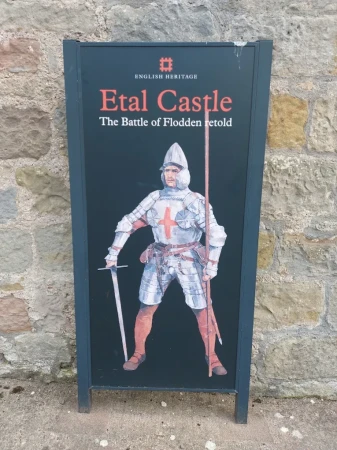
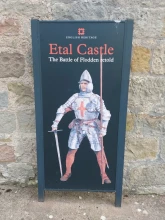
  • The Battle of Flodden: Etal was a place of war during a Scots invasion of England in the summer of 1513. James IV (r.1488–1513) of Scotland brought a large army south of the border in support of his ally, Louis XII (r.1498–1515) of France. The English king, Henry VIII (r.1509–47), was in France fighting alongside the Holy Roman Emperor, Maximilian I (r.1493–1519), in a long-standing conflict between the emperor and the king of France over ownership of lands in northern Italy.

Facilities

  • Parking: Free car parking for approximately 40 cars is located 10 metres from the entrance to the site.
  • Toilets: Seasonal facilities can be found in the car park.  These are managed by the Ford & Etal Estate.
  • Dogs: Dogs on leads are welcome.

Birthday Parties

Offer Birthday Parties: No

Open Daily: 10am – 5pm.

Address: Etal, Cornhill-on-Tweed, Northumberland TD12 4TN, UK

Post Code: TD12 4TN

Council: Northumberland

County: Northumberland

  • Road Access: In Etal village, 10 miles south-west of Berwick.
  • Bus Access: Glen Valley/Perrymans service 267 Berwick-upon-Tweed – Wooler.
  • Train Access: Berwick-upon-Tweed 10 1⁄2 miles.
  • Bicycle Access: Find this site on The National Cycle Network.
  • Parking: Free car parking for approximately 40 cars is located 10 metres from the entrance to the site.

0

0 Reviews

Rating breakdown

5
80% Complete (danger)
0
4
80% Complete (danger)
0
3
80% Complete (danger)
0
2
80% Complete (danger)
0
1
80% Complete (danger)
0

Get the best blog stories into your inbox!