St Cecilias Hall Museum of Instruments

St Cecilia’s Hall: Concert Room & Music Museum, The University of Edinburgh, Niddry Street, Edinburgh, UK
1-99 Years

Description

St Cecilia's Hall is a small concert hall and museum in the city of Edinburgh, Scotland, in the United Kingdom. It is on the corner of Niddry Street and the Cowgate, about 168 metres south of the Royal Mile. The hall dates from 1763 and was the first purpose-built concert hall in Scotland. 

You can experience our museum by using our free digital guide available through Bloomberg Connects. Featuring more than 150 instruments and audio clips, over 50 videos, and guides created by our expert curators, you can take a deep dive into the history of musical instruments and learn more about the history of Scotland’s oldest purpose-built concert hall.

If you are looking for Best place for day out with kids and families then this is the perfect destination offering fun, adventure, and unforgettable memories for everyone.

Features

  • Free
  • Host birthday parties: Yes

Features

Key Features

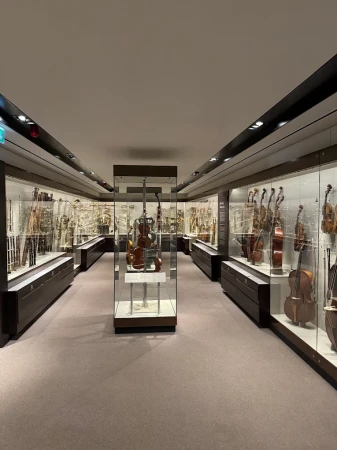
  • Historic Instrument Collection: Explore a world-class collection of early keyboards, strings, and woodwinds spanning five centuries.
  • Interactive Discovery: Budding musicians can engage with the museum’s "discover drawers" and activity trails designed for young visitors.
  • Educational Day Out: Learn about the physics of sound and the evolution of musical technology through clear, accessible displays.
  • Acoustic Experience: The venue itself is an 18th-century architectural marvel, designed specifically to amplify the natural sounds of early period instruments.

What to See

  • The Ruckers Harpsichord (1637): A stunningly decorated keyboard instrument that demonstrates the intricate artistry of the 17th century.
  • The Taskin Harpsichord (1769): Widely considered one of the finest-sounding instruments of its kind, often used in professional concert performances today.
  • The 1763 Concert Room: Stand in the oldest purpose-built concert hall in Scotland and imagine the classical performances held here centuries ago.
  • Historical Clavichords: Discover these quiet, expressive instruments that were once popular for home practice among professional musicians.
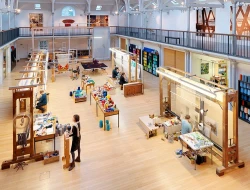
  • Visible Conservation Studio: Watch history being preserved as staff work on the delicate maintenance of these antique instruments in a dedicated studio space.

Facilities

  • Accessibility: The building is fully accessible with lift access to all museum galleries and the concert room.
  • Toilets: Accessible toilets are available on the ground floor.
  • Gift Shop: Features music-themed souvenirs, books, and educational materials.
  • Food: There is no café on-site; however, numerous family-friendly cafés and restaurants are located on the nearby Royal Mile and Niddry Street.

Pro-Tips

  • Arrival: The concert room is intimate, so arrive early if you have tickets for a performance to ensure you get the best view of the period instruments.
  • Timing: Plan your visit for Tuesday–Saturday during mid-morning to avoid the busiest afternoon tourist crowds.
  • Photography: Always check with the reception staff regarding current photography permissions for specific exhibits.

Targeted FAQ

  • Is it worth it for toddlers? While the museum is a fascinating space, the delicate nature of the instruments means it is better suited for children aged 6 and older who can engage with the activity trails and appreciate the historical significance of the displays.
  • How long does a visit take? Most families spend between 1 and 1.5 hours exploring the four museum galleries and the concert room, making it a perfect quick stop during a wider day out in Edinburgh.
  • Where is the best place to park? There is no parking at the museum; the most reliable option is to park at a city-centre multi-storey garage like Castle Terrace and walk or use a bus to reach the Niddry Street area.

The Visitor Verdict: What Parents Really Think
What Visitors Love

  • The "discovery drawers" and children's activity trails are frequently highlighted as excellent ways to keep younger kids engaged.
  • The staff are often described as knowledgeable and enthusiastic, which makes the learning experience much better for families.
  • The museum’s location in the heart of the Old Town makes it an easy, stress-free stop while walking between other major attractions.

What Visitors Don't Like

  • The venue is relatively small, so it is best treated as a 1–2 hour stop rather than a full-day attraction.
  • Occasional closures for private events or venue maintenance mean it is essential to check the calendar before travelling.

What to see

Detailed Inventory: Collection Highlights

  • Beyond the keyboard collection, the museum houses a wide range of specific named objects and types:
  • The Raymond Russell Collection: A premier global assembly of early keyboard instruments.
  • Early Italian Spinets: Intricately carved instruments showing the evolution of keyboard design.
  • 18th-Century Brass Instruments: Rare specimens that demonstrate early manufacturing techniques.
  • Historical Violins: Featuring craftsmanship from the masters of the Italian and German schools.
  • Chamber Organs: Small, portable pipe organs used in domestic and small-hall settings.
  • Renaissance-era Lutes: Featuring complex wood inlay and historical string configurations.
  • Early Flutes and Recorders: Displays showing the transition from wood to early metal components.
  • Period Guitar Collection: Examples of how string instruments evolved from the 1600s through the late 1900s.

Beyond the Main Attraction

  • The Royal Mile: Located just a few steps from the museum, perfect for exploring the history of Edinburgh's Old Town.
  • National Museum of Scotland: A short walk away, offering even more extensive history and science collections.
  • Greyfriars Kirkyard: A famous and atmospheric historic graveyard located within a 10-minute walk.

New for 2026: Reopening & Concert Series

  • After a period of closure for essential maintenance, St Cecilia’s Hall is set to resume normal operations by the end of May 2026.
  • Building Improvements: Recent work focused on enhancing building insulation and climate control to better protect the internationally significant collection.
  • Sypert Concert Series: The Hall returns with this prestigious series in June 2026, showcasing rare instruments from the collection in action.
  • Icon26 Heritage Tour: The museum will host a special professional conservation tour on June 23, 2026, offering a rare glimpse into the work of the dedicated studio team.

Events: For more upcoming events please visit here.

Price

Price: Free

Birthday Parties

Offer Birthday Parties: Yes

Birthday Party Details

The museum does not list public-facing birthday party packages. For private event or group booking inquiries, please contact the team directly at SCHevents@ed.ac.uk.

St Cecilia’s Hall is Temporarily Closed.

Address: St Cecilia’s Hall: Concert Room & Music Museum, The University of Edinburgh, Niddry Street, Edinburgh, UK

Post Code: EH1 1LG

Council: Edinburgh

County: Edinburgh and Lothia

  • Train: Edinburgh Waverley Station is less than a 10-minute walk away.
  • Bus: Multiple routes serve the Royal Mile and South Bridge area.
  • Car: There is no on-site parking. Public car parks like NCP Castle Terrace or street parking in the Old Town are available, though spaces are limited.

5.00

0 Reviews

Rating breakdown

5
80% Complete (danger)
0
4
80% Complete (danger)
0
3
80% Complete (danger)
0
2
80% Complete (danger)
0
1
80% Complete (danger)
0

More Day Outs in Edinburgh and Lothian

Get the best blog stories into your inbox!