Rushton Triangular Lodge

Description

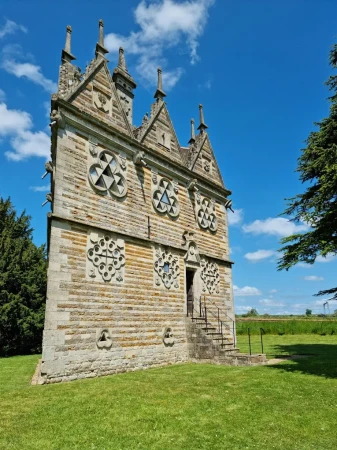
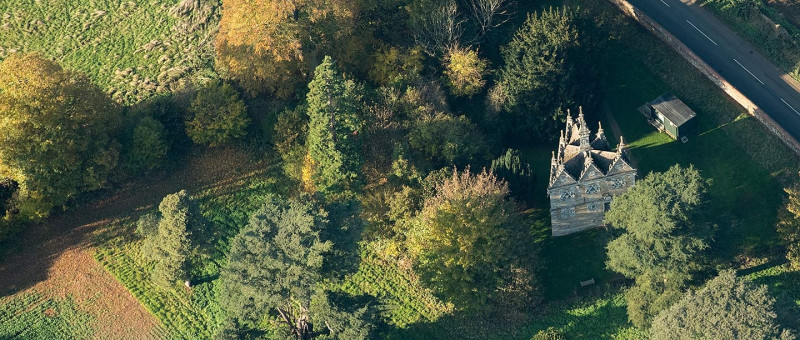
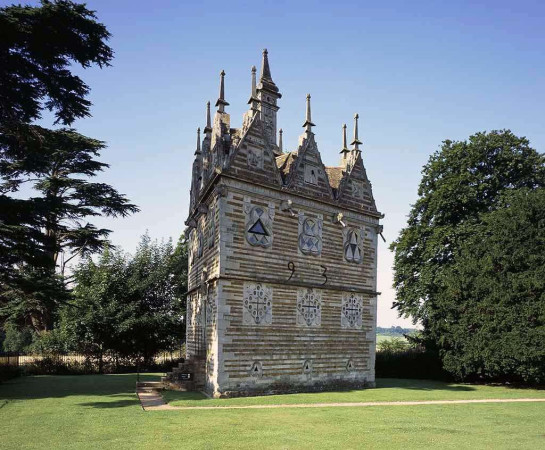
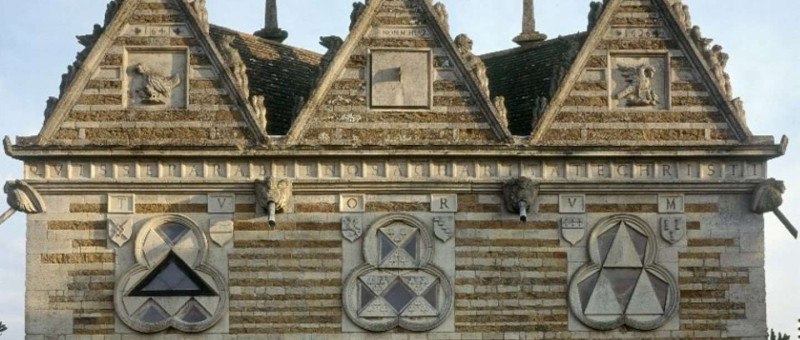
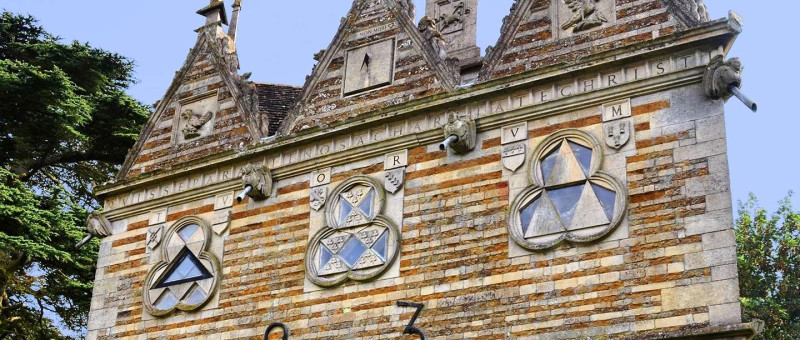
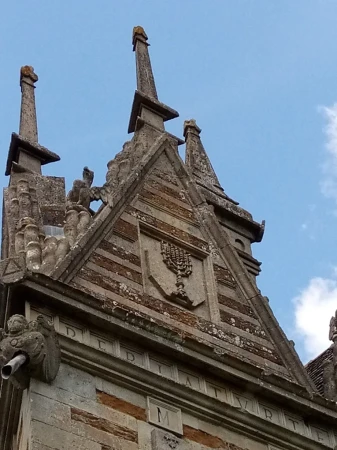
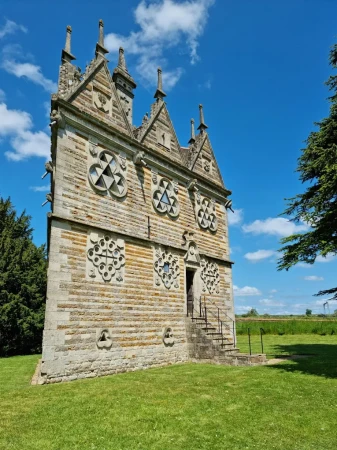
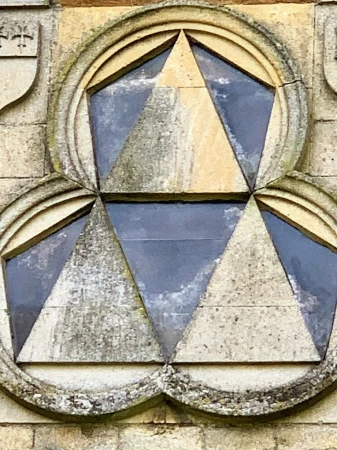
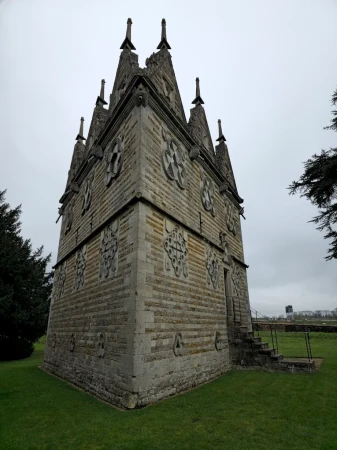
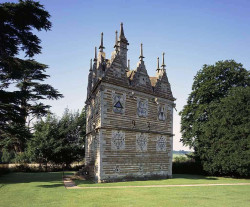
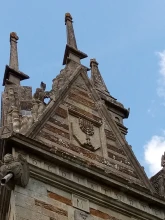
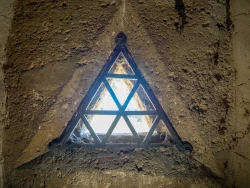
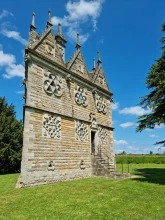
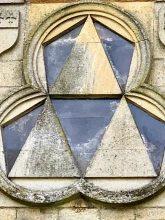
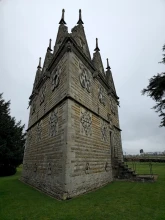
Rushton Triangular Lodge is an intriguing folly built in 1593-97 by Sir Thomas Tresham. Tresham was a staunch Roman Catholic, often fined or imprisoned for his then-illegal faith. The lodge is a testament to Tresham’s defiant Catholicism and his obsession with quirky buildings, symbolism and numbers – particularly the number three. All Rushton Triangular Lodge’s features come in threes, symbolising the Holy Trinity. 

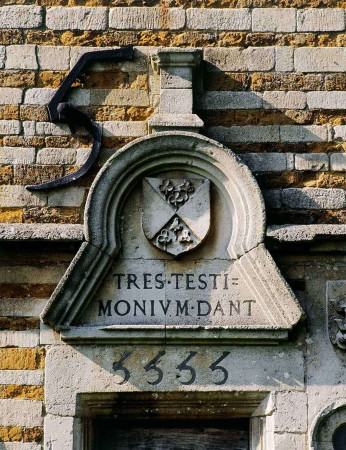
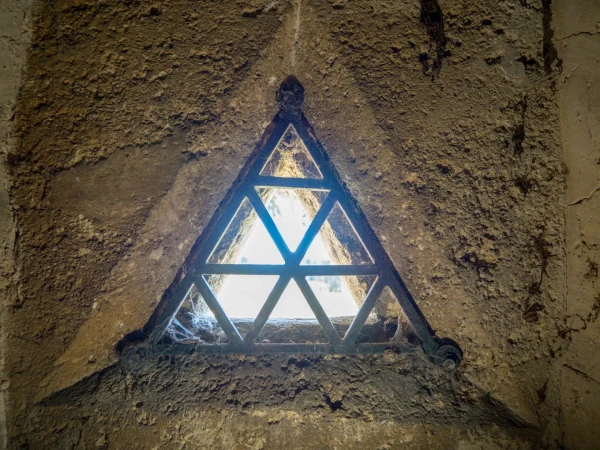
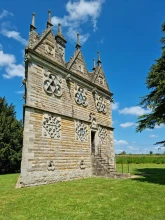
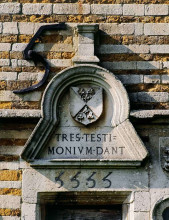
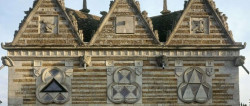
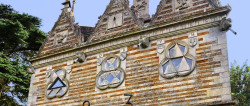
There are three floors, trefoil windows and three sides, each 33 1/3-feet-long, with three triangular gables. There are many coded references to Roman Catholic beliefs. Inscribed over the door is ‘Tres Testimonium Dant’ (‘there are three that bear witness’), a reference to the Trinity. It’s also a pun on Tresham’s name; his wife called him ‘Good Tres’, so the inscription could also mean ‘Tres bears witness’.

Free Entry. If you are looking for Best place for day out with kids and families then this is the perfect destination offering fun, adventure, and unforgettable memories for everyone.

Features

  • Free
  • Host birthday parties: No

Features

  • History of Rushton Triangular Lodge: Rushton Triangular Lodge is one of most striking and daring buildings in Britain. It was ostensibly a small lodge for a warrener at the centre of a profitable rabbit farm, which was part of the Northamptonshire estate of Sir Thomas Tresham. But it is much more than that. Encoded in its design is a complex expression of Tresham’s Catholic faith in the face of its suppression in Elizabethan England.
  • The story of the Lodge’s construction reveals the power and dangers of religion in Tudor England, the bonds of a family through persecution, treason and its consequences, and Elizabethan delight in secret codes and symbols.
  • Sir Thomas Tresham and his faith: Sir Thomas Tresham (1543–1605) was the designer and builder of the Triangular Lodge. In 1559, aged only 15, he inherited one of the biggest estates in England. His grandfather, a Catholic, had been a staunch supporter of Mary Tudor, who had attempted to restore the Catholic faith in England on becoming queen in 1553. But she died the year before Thomas inherited the estate from his grandfather, and was succeeded by her Protestant sister, Elizabeth I.
  • Religious strife in Tudor England: Under the Tudors, all subjects were expected to be loyal to the monarch and share his or her faith. But this was not a straightforward task. In the 1530s, Henry VIII (reigned 1509–47) had declared England independent of the pope, and the English monarch as supreme head of the Church in England. Henry’s son and successor, Edward VI (r.1547–53), enforced Protestant modes of worship, and favoured Protestant families in the face of Catholic resistance. But his sister Mary I (r.1553–8) brought back Catholic worship and favoured Catholic families like the Treshams, while punishing Protestants as heretics.
  • Planning the Lodge: Although Sir Thomas Tresham was a recusant, he argued that Catholics could practise their faith while remaining loyal to the Crown as head of state. He even expressed a desire to fight for his country. But his professions of loyalty were in vain. From 1581 until 1593 he was continuously either in prison, subject to house arrest or under surveillance. He was first sent to prison in 1581, for refusing to admit or deny that he had entertained John Campion, a Jesuit priest, at his house. Later, Tresham and his fellow Catholics were locked up as potential enemy agents, and Tresham remained in prison until 1593.
  • Understanding the Lodge: Tresham used this unusual canvas to express pride in his family and his faith, but he did so in clever and cryptic ways. The Elizabethans loved buildings, paintings and poems with secret or oblique meanings, and called such creations ’devices’. The Lodge is a device, in which Tresham combines detailed knowledge of the Bible with dashes of humour.
  • Building the Lodge: The Triangular Lodge was skilfully designed and exquisitely crafted. Sir Thomas seems to have designed it himself in collaboration with his employees. Construction work was directed, and probably surveyed, by George Levens, the Treshams’ steward, who meticulously recorded all the money spent on materials and the names of the craftspeople who built it. Tresham conceived the Lodge in 1593 (the date written in iron on the Lodge) but work started in 1594 and was largely completed in 1596.
  • The rabbit warrens: Lodges in Tudor estates were typically intended as destinations for hunting parties, as eyecatchers in the landscape, or to house practical estate functions. The Triangular Lodge was referred to as the Warrener’s Lodge in the family accounts and may have been a space from which a warrener could manage and protect a rabbit farm. Perhaps the warrener hung up rabbit skins to dry on the lower floor and lived on the upper floors.

Facilities

Parking: No dedicated parking at site. Possible limited parking in nearby lay-by, or in Rushton village a short walk away.

Price

Price: Free

Birthday Parties

Offer Birthday Parties: No

Open every Saturday and Sunday until 19th October.

Address: Rushton, Kettering NN14 1RP, UK

Post Code: NN14 1RP

Council: North Northamptonshi

County: Northamptonshire

  • Road Access: 1 mile west of Rushton on an unclassified road. 1 mile from Desborough on the A6.
  • Bus Access: Stagecoach in Northants service 19, stops in Rushton which is a short walk away.
  • Train Access: Kettering station is 5 miles from Rushton Triangular Lodge.
  • Bicycle Access: Find your cycling route to Rushton Triangular Lodge at sustrans.org.uk, the National Cycle Network.
  • Parking: No dedicated parking at site. Possible limited parking in nearby lay-by, or in Rushton village a short walk away.

0.00

0 Reviews

Rating breakdown

5
80% Complete (danger)
0
4
80% Complete (danger)
0
3
80% Complete (danger)
0
2
80% Complete (danger)
0
1
80% Complete (danger)
0

More Day Outs in North Northamptonshire

Get the best blog stories into your inbox!