Description
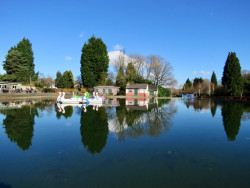
Sheffield Botanical Gardens is a beautiful and historic green space in Sheffield, featuring over 18 different garden areas and a range of Victorian structures. Originally designed in the 1830s, it offers a peaceful escape filled with diverse plant collections and scenic landscapes. It’s a perfect destination for nature lovers, families and anyone looking to relax outdoors.
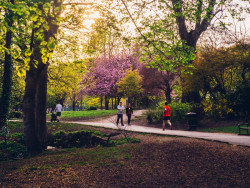
Visitors can explore a wide variety of themed areas including the Rose Garden, Himalayan Garden, Rock and Water Garden, Woodland Garden and the unique Evolution Garden. Highlights include the Victorian Glass Pavilions, a historic bear pit, colourful seasonal displays and the popular Riddle Trail for interactive exploration. The gardens also feature wide lawns, tree-lined walkways and the Dorothy Fox Education Centre hosting events and activities.
Entry to the gardens and glass pavilions is completely free, though some events, activities and nearby parking may have additional costs.
With its mix of historic charm, diverse plant life and engaging features, Sheffield Botanical Gardens offers a relaxing and enriching experience. Whether you’re exploring themed gardens, enjoying a walk or taking part in activities, it’s a wonderful place to spend time in nature.
Features
- Free
- Host birthday parties: No
Features
Sheffield Botanical Gardens has over 18 different areas of planting and a number of listed buildings for you to explore. Find our unique bear pit next to the Himalayan Garden, take inspiration from the Marnock Garden, stroll through the Victorian carpet bedding and find bananas in the Pavilions. Relax in the shade of our beautiful trees and sniff out our scented plants in winter. There is always something to enjoy.
- Four Seasons Garden: The Four Seasons Garden lies mainly north-west of the Pavilions, between them and the very busy Clarkehouse Road.
- Pavilions: The internal design has been based on Victorian ideas.
- Victorian Garden: The Victorian Beds have a long history and were originally laid out in the traditional ‘order’ bed pattern in narrow rows for displaying plants
- Birch Hill: Birch Hill is the highest point in the Gardens, and protects areas lying to the south from strong north-westerly winds.
- The Lawns and Central Broadwalk: The Main East and West lawns were the centre point of Marnock’s Gardenesque style, with the Broadwalk leading from north to south ending with the now restored fountain.
- Rock and Water Garden: This was originally laid out in the Italianate style in Victorian times and was then redesigned by Clarence Elliott, (founder member of the Alpine Society), in 1929-1930.
- Osborn's Field: This is a sheltered south west facing area with no frost pockets and is therefore perfect for trialling borderline hardy plants.
- The Marnock Garden: This sheltered, south-facing area was named the Robert Marnock Garden in 1988, after the original creator of the Botanical Gardens. It is intended to showcase plants and designs suitable for smaller gardens, in contrast to the grand trees and long vistas of the main Gardens.
- Mediterranean Climate Garden: The area is protected from the north and has a warm, sheltered excellent micro climate with a south facing slope, sheltered from the prevailing wind.
- The Rose Garden: During the restoration, this garden was brought back to the design that was possibly laid out by the third curator, John Law.
- Himalayan Garden: This area lies immediately to the east of the entrance path to the Bear Pit, and is a sunlit, south-facing slope sheltered by Birch Hill.
- Asia Garden: This damp, sheltered copse contains a number of borderline hardy trees and shrubs for example Colletia hystrix, a most unusual shrub.
- Evolution Garden: This area is designed to show how plants have evolved over millions of years. Our focal point is a fossilised stump of one of the giant club mosses which flourished some 300 million years ago
- Woodland Garden: This small sheltered valley has been planted with groups of Japanese maples, North American maples and a number of Hamamelis x intermedia (Witch Hazel) cultivars for winter beauty.
- Lower Lawns: A sunny open area with Rhododendron ‘Cynthia’ providing a blaze of colour in May. Interesting trees to look for include the Indian Horse Chestnut, Aesculus indica ‘Sydney Pearce’, which flowers later (May–June) and the common Horse Chestnut (A hippocastanum).
- Award of Garden Merit Borders: The Award of Garden Merit (AGM) borders were started in the 1970s by Curator Don Williams to display the plants that have been given this award by the Royal Horticultural Society.
- Long Border: This area of the Garden has difficult conditions, but after clearing the area 60 tons each of gravel and composted manure were worked into the poor soil. The area has been planted with North American ericaceous plants and rhododendrons, together with asters and bulbs.
- Prairie Garden: The prairie garden , a sunny open area, is a trial project by the Landscape Department of the University of Sheffield. The area has been designed by Professor James Hitchmough, and was first sown in 2004.
- Thompson Road Entrance and Walk: This area was replanted in 2020 with Amelanchier lamarckii, Hosta spp. and a group of Hemerocallis spp. to provide a more welcoming entrance. Existing plants include the Azara microphylla from Chile and Argentina.
- Buildings and Features: There are many interesting buildings within the Gardens, some dating back to the 1830s when the Gardens were originally designed.
- National Plant Collections: The Gardens are host to three National Plant Collections. On the main East Lawn the National Plant collection of Weigela was begun in 1978 by the curator Don Williams.



 0.95 miles