Description
The Oriental Museum in Durham is a unique cultural destination located at Elvet Hill, offering a fascinating glimpse into the history and art of North Africa and Asia. It is one of the best things to do with kids in Durham if you are looking for an educational museum experience that spans across ancient civilisations and diverse traditions. With over 30,000 objects in its care, it provides a quiet, immersive escape from the busier attractions in the city.
Admission to the museum is free for all visitors, making it a highly accessible outing for families. While general entry is free, the museum often hosts special family events, workshops, and activities throughout the year which may require booking. It is recommended to check the official museum website for the latest event calendar and any associated costs for specific family activities.
If you are looking for the best place for a day out with family and kids, the Oriental Museum offers a tranquil environment filled with wonder and history. From Egyptian mummies to intricate Chinese ceramics, it is a perfect spot for families to explore global cultures together.
Detailed Inventory of Museum Collections
- Egyptian Mummy (The "Lady"): Notable for being buried with an ancient prosthetic limb.
- Vizier Paser Statue: A significant sculpture from the reign of Ramesses II.
- 18th Dynasty Funeral Mask: A beautifully preserved piece of Egyptian funerary art.
- Shabti of Prince Bahmery: Intricate figurines used in Egyptian burial rites.
- Bronze Buddha Head: A stunning piece dating back to the Kamakura era in Japan.
- Malcolm MacDonald Collection: Over 400 pieces of fine Chinese pottery.
- Sir Charles Hardinge Jade Collection: Nearly 2,000 pieces of carved jade and hardstones.
- John Marshall Photographic Archive: Over 5,000 images offering a visual history of 20th-century Asia.
- Cuneiform Tablets: Ancient texts from the Northumberland Collections discovered at excavations like Ur.
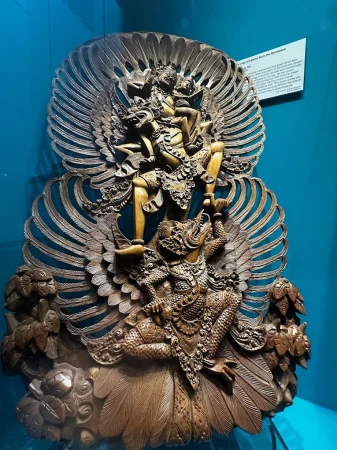
- Balinese Art: Exquisite carvings and textiles from the Roberts Collection.
Beyond the Main Attraction
- Durham University Botanic Garden: Located nearby, this 25-acre garden offers beautiful woodland walks, glasshouses, and an alpine garden, perfect for children to explore after a morning at the museum.
- Museum of Archaeology: Situated at the Palace Green Library, this venue displays fascinating objects uncovered from local excavations, providing a deeper look into the history hidden beneath Durham’s streets.
- Durham Cathedral: A UNESCO World Heritage Site, this iconic cathedral is a must-see for families; you can climb the tower for spectacular city views or explore the historic cloisters where scenes from popular films were shot.
- Riverside Walks: Durham’s city centre is encircled by the River Wear, offering picturesque paths that are ideal for a gentle family stroll, rowing boat spotting, or a picnic with views of the historic castle and cathedral.
New for 2026
- Everyday Elegance Exhibition: Opening in May 2026, this public debut of the Huang Kam Chak Yee Collection showcases beautiful Chinese clothing, textiles, and accessories from the Late Qing dynasty.
- Korean Paper Flower Workshop: On 28 May 2026, families can join a creative session with two celebrated experts from South Korea, learning the traditional art of making paper flowers.
- "Ride the Wave" Family Activity: Scheduled for 6 June 2026, this interactive workshop invites children to spot historical boats within the museum’s collections before making their own 3D sea-themed sculptures.
- "Powerful Patterns" Discovery Day: On 20 June 2026, visitors can explore the intricate designs found in the museum’s galleries and participate in hands-on activities to create their own patterns inspired by global cultures.
Events: For more upcoming events please visit here.





 1.52 miles