Murlough National Nature Reserve

Keel Point, Dundrum, County Down, BT33 0NQ, Northern Ireland
1-90 Years

Description

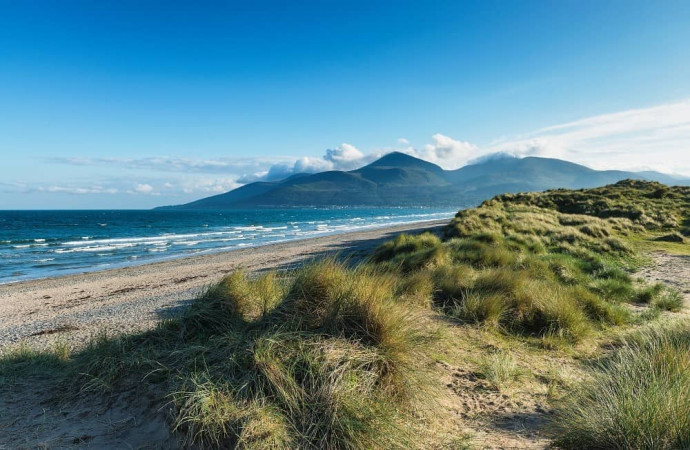
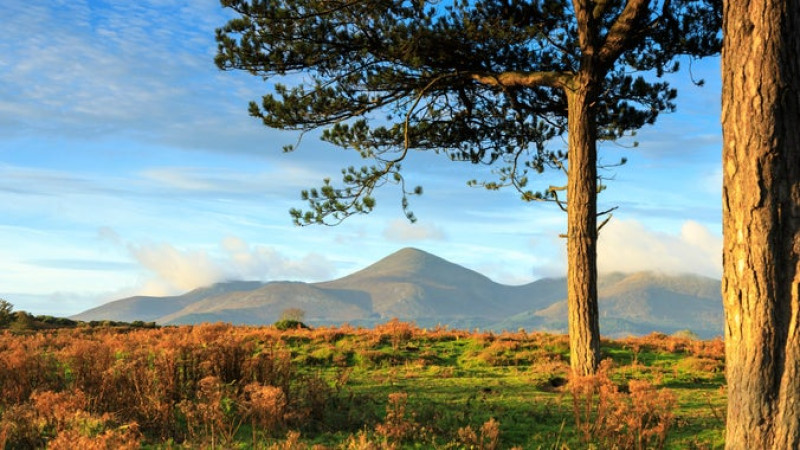
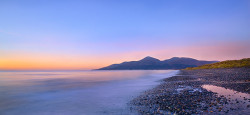
Murlough National Nature Reserve is a stunning coastal nature reserve known for its ancient sand dunes and rich wildlife. Managed by the National Trust, it is one of Ireland’s first nature reserves and offers a unique natural landscape. With its beach, dunes and mountain views, it is a perfect destination for nature lovers and outdoor explorers.

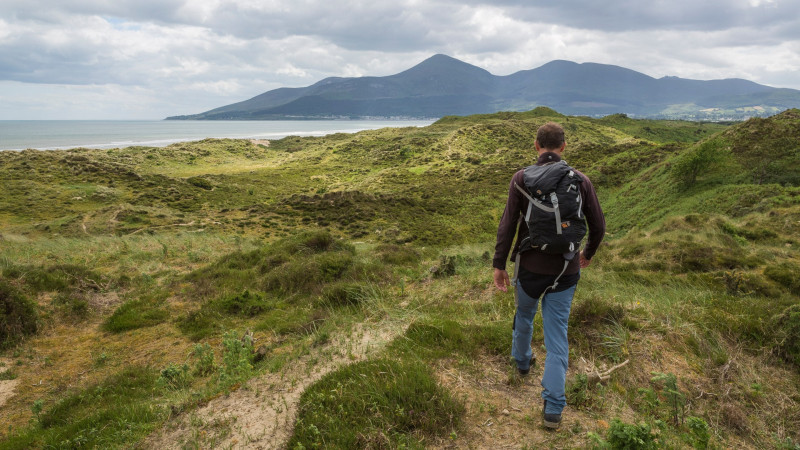
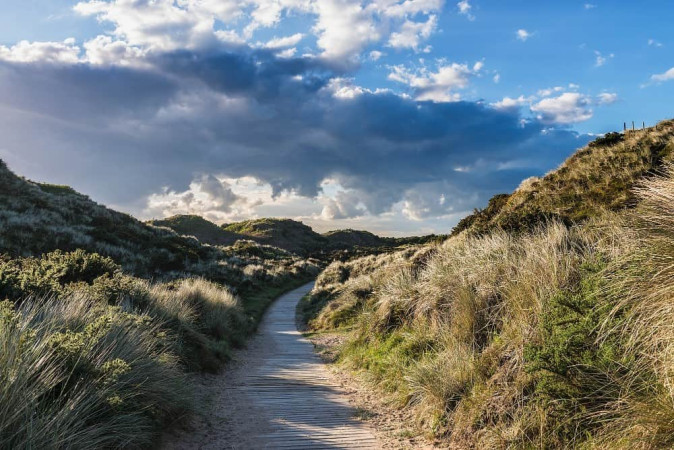
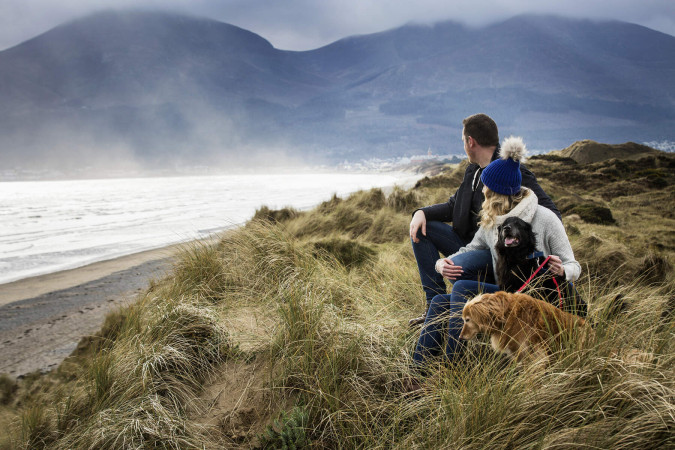
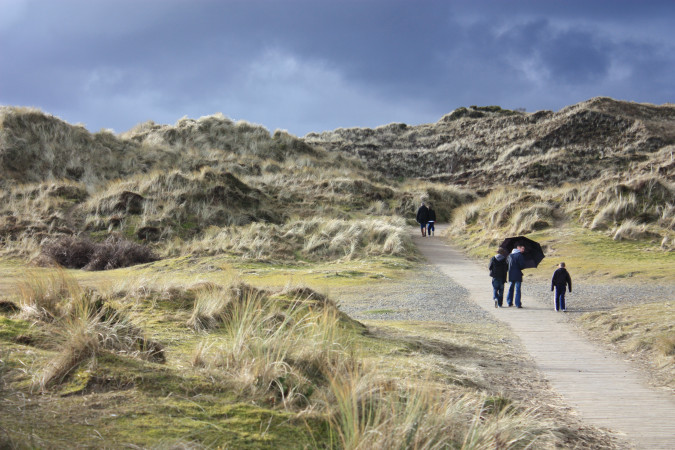
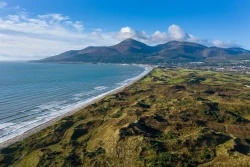
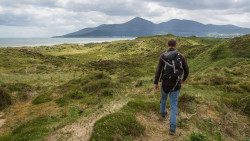
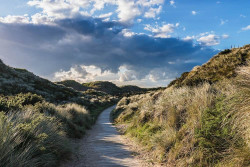
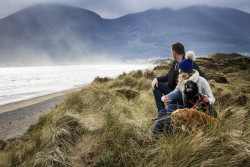
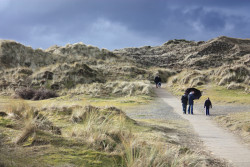
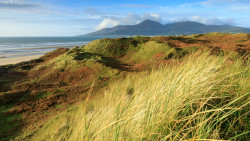
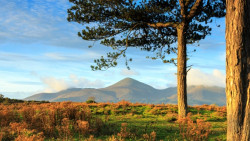
Visitors can explore a 6,000-year-old sand dune system with walking paths and boardwalks through dunes, woodland and heath, as well as enjoy the four-mile-long Murlough Beach and the Dundrum Coastal Path. The reserve is ideal for birdwatching and wildlife spotting, with butterflies, moths, seals, birds and animals like foxes and badgers, along with a natural play area made from wooden structures. It also offers scenic views of Dundrum Bay and the Mourne Mountains, making it a peaceful yet engaging outdoor experience. 

Entry to the reserve is free, while parking charges range from £5.00 to £7.00 for cars depending on the season, with additional rates for minibuses, coaches and motorbikes. 

Murlough National Nature Reserve offers a perfect mix of natural beauty, wildlife and relaxation. With its coastal trails, diverse habitats and scenic views, it provides a memorable experience for visitors of all ages. It is an ideal place for walking, wildlife watching and enjoying the peaceful beauty of Northern Ireland’s coastline.

Features

  • Free
  • Host birthday parties: No

Features

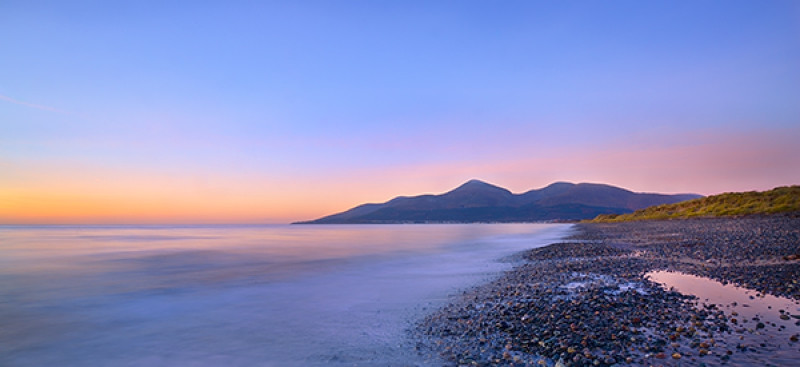
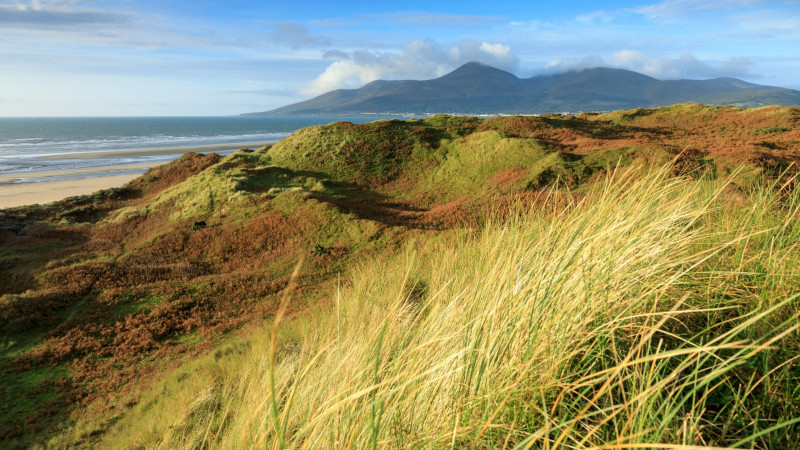
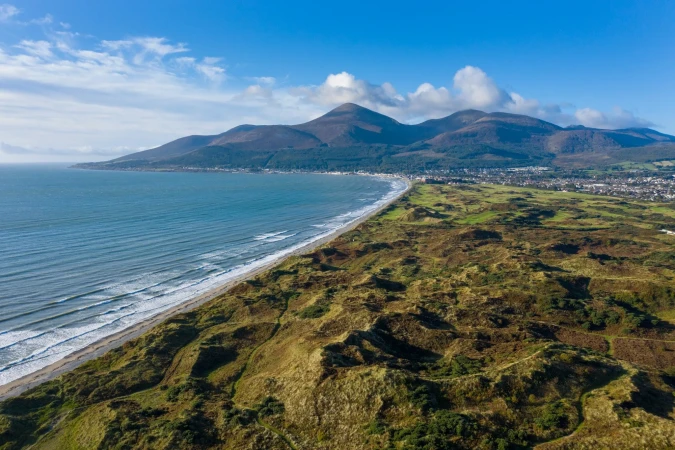
Murlough National Nature Reserve is a fragile 6000 year old sand dune system owned by the National Trust and managed as Ireland’s first Nature Reserve since 1967. It is an excellent area for walking and bird watching due to its spectacular location at the edge of Dundrum Bay and the Mourne Mountains.

The dune fields at Murlough are the best and most extensive example of dune heath within Ireland with over 720 species of butterflies and moths, one of which, the Marsh Fritillary butterfly, is of European importance. The site is internationally important for wintering wildfowl and waders.

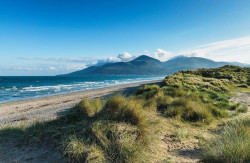
  • Sand dunes: A 6,000-year-old sand dune system, with a network of paths through the dunes, woodland and heath.
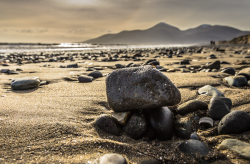
  • Murlough Beach: Four-mile-long, golden sand beach, set beneath the Mourne Mountains.
  • Coastal Path: Dundrum Coastal Path provides views across Dundrum bay and many opportunities to watch the coastal wildlife.
  • Play area: Natural play area, made from wood - including wooden sculptures made by a local artist - and a log sofa set.

Facilities

  • Parking: Parking available. 
  • Toilets: Toilets are available weekends only during April and May from 10am-4pm. Toilets are available everyday during June, July and August from 10am-5pm. Toilets are not available during other times, the nearest public toilet is in Dundrum.

What to see

Exploring Murlough National Nature Reserve

  • Fauna: Murlough boasts a diverse range of fauna. Over 620 species of butterfly and moth can be found here, including the marsh fritillary butterfly, a UK BAP (Biodiversity Action Plan) priority species.
  • Grazing cattle and ponies: A mixture of cattle, ponies and rabbits graze the land. They help shape the habitats which are perfect for Murlough’s invertebrate species, as well as the common lizard which preys upon some of the invertebrates. If you’re lucky you might even catch a glimpse of one of the bigger mammals on the reserve – the fox, badger or stoat.
  • Farmland and coastal birds: Murlough is a great place for birdwatchers to see farmland birds and coastal birds, and Dundrum Inner Bay offers great views of many wintering waders. Keep an eye out for the seals at Ballykinlar beach as you'll often see them hauling out from the beach.
  • Sunny slopes for butterflies to thrive: There are 23 species of butterflies at Murlough. The reserve is one of the last strongholds of the endangered marsh fritillary. This species needs sunny slopes and hollows to thrive on the reserve and, with an abundance of devil's bit scabious, which is their food source, there are areas that make the perfect home for colonies of this butterfly.
  • Rare moths recorded: Other well-known species include the small copper, the common blue and the painted lady. Several moth species can also be found at Murlough, including Palpita vitrealis, a migrant species from southern Europe that has only been recorded twice in Northern Ireland. The black rustic is a common autumn species, and the pink-barred sallow can also be seen here.
  • The pygmy shrew: The pygmy shrew is the smallest mammal found in the UK. It is, in fact, smaller than some insects and is sometimes found sleeping in the burrows of beetles. A fully grown pygmy shrew is around a quarter of the size of a house mouse. The average weight is around 4 grams, although they can range from 2.4–6.1 grams and their weight can decrease by up to 28 per cent in winter. They are often referred to as 'annuals' since their life span, at best, is around 15 months.
  • Rabbits: Rabbits were originally introduced to Murlough in the 12th century and bred as a source of food and fur for Normans. Many locals still refer to Murlough as 'The Warren'. The rabbit populations here play an important part in maintaining the structure and biodiversity of Murlough and conveniently help keep the low-density heathland ecosystem which allows many wildflower, heather and lichen populations to flourish.
  • Birds: Several bird species call Murlough their home. These include the pale-bellied brent goose, which is one of the most important wildfowl species that visit Dundrum Inner Bay. Once a rarity in Ireland, the little egret population has seen an increase in recent years and can be spotted on the reserve.

Price

Price: Free

Birthday Parties

Offer Birthday Parties: No

Nature reserve: 08:00 - 19:00

Address: Keel Point, Dundrum, County Down, BT33 0NQ, Northern Ireland

Post Code: BT33 0NQ

Council: Dundrum

County: Down

  • By Car: Belfast is about 25 miles north on the A24. Newry is 25 miles west and Downpatrick is 10 miles to the east, both on the A25.
  • By Bus: Ulsterbus 20 Belfast to Newcastle, alight at Lazy BJ Caravan Park after Dundrum
  • By Train: The nearest train stations are in Belfast city centre (Belfast Great Victoria Station and Belfast Central Station), about 25 miles away. 

Parking 

  • Car parking (1 January- 24 May) / Car parking (1 Sep -31 Dec): £5.00
  • Car parking (25 May- 31 August): £7.00
  • Minibus: £10.00
  • Coach: £20.00
  • Motorbike: £3.00
  • Bicycles: Free

5

0 Reviews

Rating breakdown

5
80% Complete (danger)
0
4
80% Complete (danger)
0
3
80% Complete (danger)
0
2
80% Complete (danger)
0
1
80% Complete (danger)
0

Get the best blog stories into your inbox!