Lambeth Palace

Description

Welcome to Lambeth Palace For more than 800 years, Lambeth Palace has been the London home of the Archbishop of Canterbury – a working place of worship, welcome, and community beside the River Thames.

Come and walk through centuries of history, explore its peaceful gardens, and see how this living landmark continues to serve both Church and country today. Find out more about the historic rooms and spaces in Lambeth Palace.

If you are looking for Best place for day out with kids and families then this is the perfect destination offering fun, adventure, and unforgettable memories for everyone.

Features

  • Paid
  • Host birthday parties: No

Features

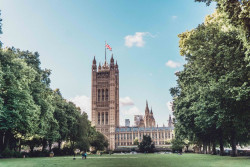
  • Lambeth Palace Gardens: Lambeth Palace garden covers just over 10 acres and is one of the oldest gardens in England.The garden features many species native to England, as well as plants from around the world, reflecting the breadth and scope of the Anglican Communion. Trees, shrubs, perennials and annuals from Europe mix happily with a wide range of plants from the Americas, Africa, Asia and Australasia.

Inside Lambeth Palace:

  • Morton’s Tower: Morton’s Tower, an impressive red brick Tudor gatehouse, is the formal entrance to Lambeth Palace. It was built in 1490 by Cardinal John Morton, who lived in the tower for a short time. He used the large room in the centre, above the gates, as an audience chamber.
  • Crypt Chapel: The Crypt Chapel is the oldest part of Lambeth Palace. Originally used for wine and beer storage, among other things, it was not used as a chapel until World War II, when the main Chapel was destroyed. William Temple also used the Crypt as an air raid shelter at the beginning of the war.
  • The Chapel: The Chapel at Lambeth Palace has been the private chapel of the Archbishop of Canterbury since the 13th century. Unlike the Crypt Chapel, the main Chapel has been changed many times over the centuries.
  • Guard Room: The Guard Room is said to have gotten its name from the time when the Archbishop had his own private army. This room was where the soldiers would gather and store their weapons.
  • Great Hall: The Great Hall dates back to the early 13th century and was often used for banquets and feasts. The Archbishop would receive and entertain important guests in the Hall, including Royalty.
  • The Atrium: The newest part of Lambeth Palace is the Atrium, which was opened in 2000 by HRH the Prince of Wales. It connects the main palace building with the 13th-century chapel and crypt.
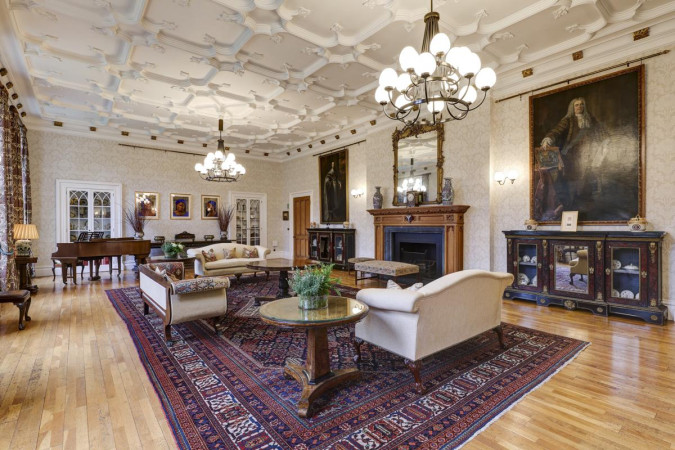
  • State Drawing Room: The State Drawing Room used to be the Archbishops of Canterbury’s daily living room. A large part of the room was destroyed in 1944 during an air raid. In 1998, the room was restored to Edward Blore’s original design with help from Eileen Carey, the wife of Archbishop George Carey.
  • Cranmer’s Study: Behind the Chapel stands a red brick Tudor tower, built in the time of Archbishop Thomas Cranmer, who served Henry VIII. Cranmer compiled the Book of Common Prayer, which still forms the basis of all our worship in the Anglican Church today.
  • The fig tree: Fronting the Great Hall on the west side of the courtyard is a magnificent White Marseille fig tree, which came to Lambeth Palace with the last Roman Catholic Archbishop, Cardinal Reginald Pole, in 1556. He served Mary I (Mary Tudor, daughter of Henry VIII and Catherine of Aragon) until they both died on the 17th November 1558. The tree was relocated to this position in 1828 when Edward Blore built the residential block, and it bears abundant fruit every autumn.
  • Lollards’ Prison: The grey stone tower between the chapel and the river was built in the 15th century during the time of Archbishop Chichele, and is colloquially known as the Lollards’ Tower.

Facilities

NA

Birthday Parties

Offer Birthday Parties: No

Throughout the year, we open the historic halls and rooms of Lambeth Palace to the public in support of local charities.

Address: Lambeth Palace, London SE1 7JU, UK

Post Code: SE1 7JU

Council: Southwark

County: Greater London

How to find us:

  • Lambeth Palace is on the south bank of the River Thames, between Westminster Bridge and Lambeth Bridge.
  • Buses run from Waterloo, Victoria and Vauxhall stations, and stop just outside the Palace at the Lambeth Palace bus stop. The closest tube stations are Westminster and Lambeth North.

5

0 Reviews

Rating breakdown

5
80% Complete (danger)
0
4
80% Complete (danger)
0
3
80% Complete (danger)
0
2
80% Complete (danger)
0
1
80% Complete (danger)
0

Get the best blog stories into your inbox!