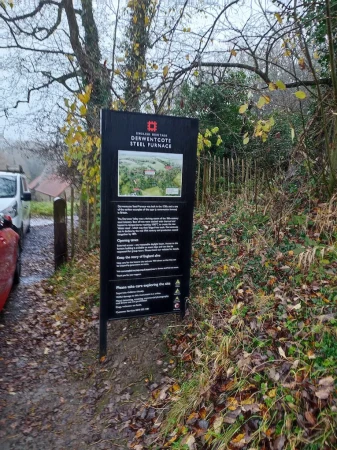
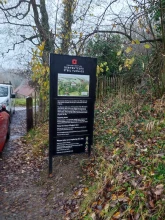
Derwentcote Steel Furnace

Description

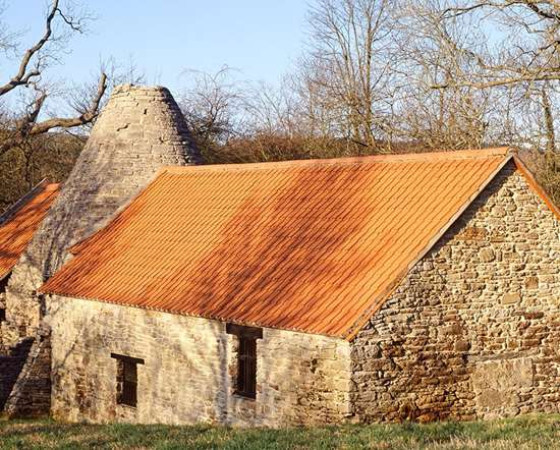
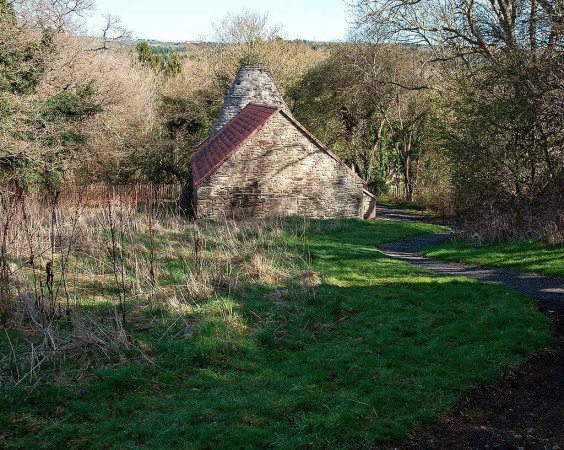
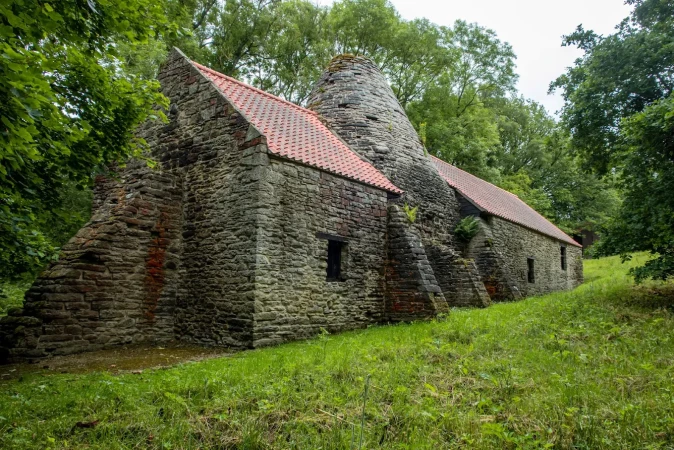
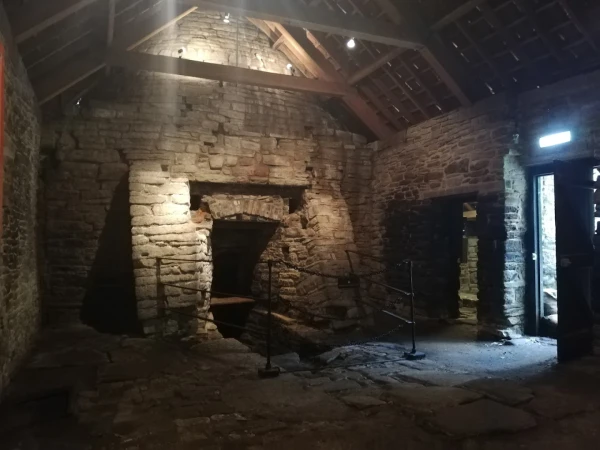
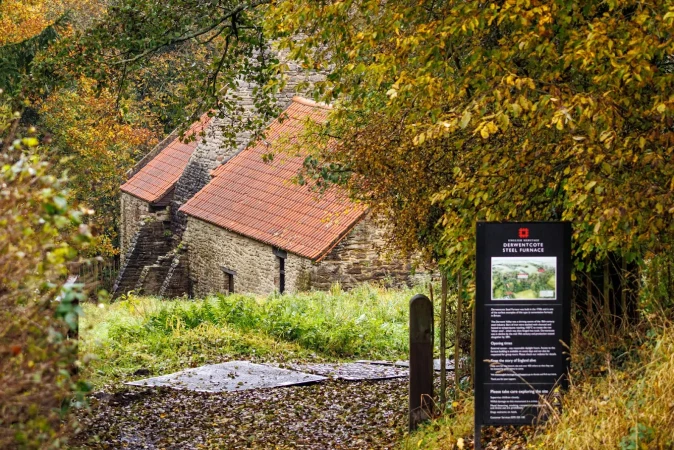
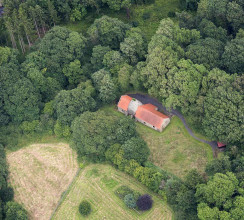
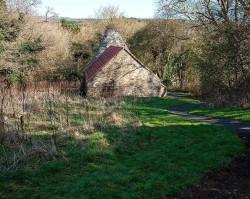
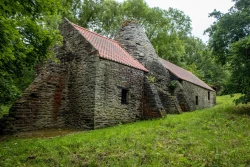
Derwentcote Steel Furnace built around 1730, Derwentcote is the earliest and most complete steel-making furnace in Britain. It produced high-grade steel for springs and cutting tools. This rare furnace played a crucial role in the British steel industry for about 150 years. Built around 1730, it converted wrought iron, imported from Sweden, into ‘blister’ steel to be made into cutting tools.

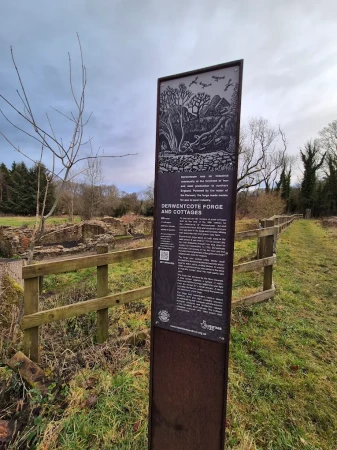
As part of a network of iron and steel producers along the Derwent Valley, Derwentcote Furnace helped to produce the finest steel in Europe and to power the early Industrial Revolution. It is one of the last surviving pieces of evidence for cementation steelmaking in north-east England.

Free Entry. If you are looking for Best place for day out with kids and families then this is the perfect destination offering fun, adventure, and unforgettable memories for everyone.

Features

  • Paid
  • Host birthday parties: No

Features

  • History of Derwentcote Steel Furnace: This rare furnace played a crucial role in the British steel industry for about 150 years. Built around 1730, it converted wrought iron, imported from Sweden, into ‘blister’ steel to be made into cutting tools.
  • As part of a network of iron and steel producers along the Derwent Valley, Derwentcote Furnace helped to produce the finest steel in Europe and to power the early Industrial Revolution. It is one of the last surviving pieces of evidence for cementation steelmaking in north-east England.
  • The Founding of the Furnace: A forge had been established along the banks of the river Derwent by 1719. It converted ‘pig’ iron into malleable wrought iron that could be worked by a blacksmith. In 1753, Derwentcote produced 150 tons of iron for local industrial production, including making fire grates for steam engines and axles for waggons.
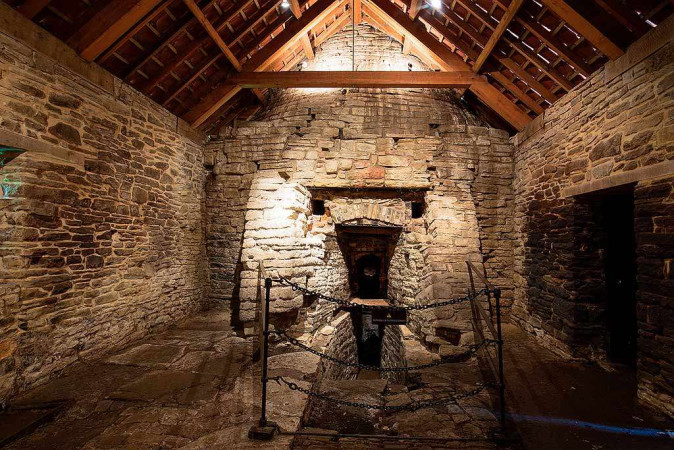
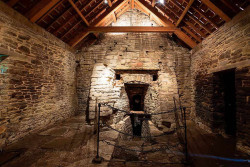
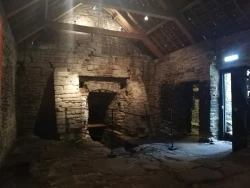
  • What is cementation? Long, flat iron bars were fed into the chamber of the furnace where they were packed into two fixed sandstone chests, alternating with layers of charcoal powder. The chests were sealed from the surrounding air with sand, the furnace openings were shut, and a fire was lit in the grate below. Flames and heat travelled up through flues around the chests and reverberated off the vault of the chamber, before venting through the cone.
  • Newcastle steel: Just two workers – a steelmaker and an apprentice – were required for the work, loading and unloading 10 tons of metal, and constantly stoking the fire. They could produce 100–200 tons of steel each year.
  • The ‘end’ and rediscovery: The forge and cementation furnace closed between 1875 and 1891, partly because new techniques of steel production had been developed by then, and also probably because Derwentcote couldn’t compete with the superior transport networks and production capacity of the Sheffield steel industry further south.

Facilities

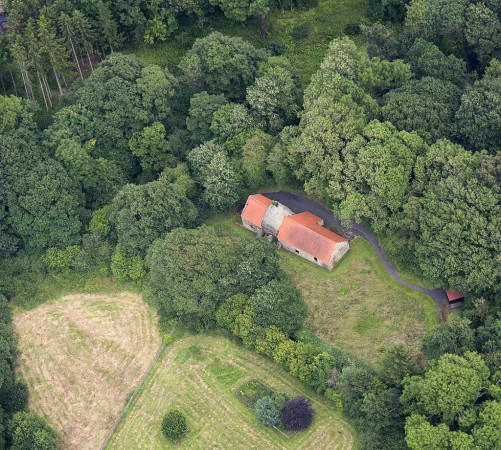
Parking: There is a car park on the opposite side of the A694.  The car park is signposted.  Please take care when crossing the road.

Birthday Parties

Offer Birthday Parties: No

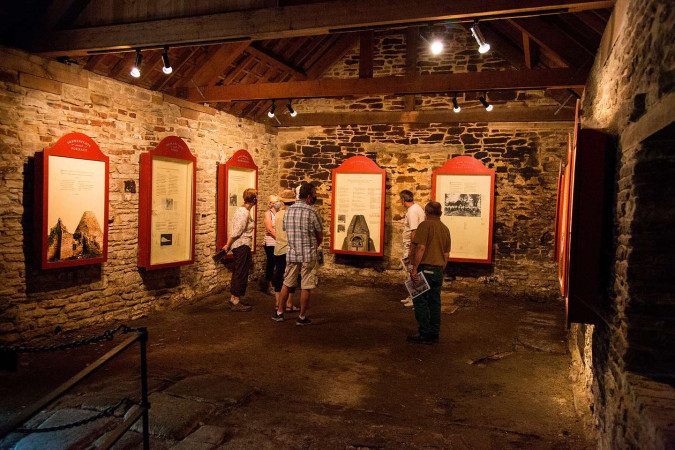
Open any reasonable daylight hours. There is no access to the interior, access can be arranged via our guided tour programme.

Address: Forge Lane, Newcastle upon Tyne, UK

Post Code: NE17 7RS

Council: County Durham

County: County Durham

  • Road Access: 10 miles south-west of Newcastle, on A694; between Rowland’s Gill and Hamsterley.
  • Bus Access: Go North East Red Kite services 45/6 Newcastle-upon-Tyne – Consett.
  • Train Access: Metro Centre, Gateshead, 7 miles.
  • Bicycle Access: Find this site on The National Cycle Network.
  • Parking: There is a car park on the opposite side of the A694.  The car park is signposted.  Please take care when crossing the road.

0

0 Reviews

Rating breakdown

5
80% Complete (danger)
0
4
80% Complete (danger)
0
3
80% Complete (danger)
0
2
80% Complete (danger)
0
1
80% Complete (danger)
0

Get the best blog stories into your inbox!