David Livingstone Centre

David Livingstone Centre, 165 Station Road, Blantyre, Glasgow G72 9BY, UK
1-99 Years
Paid

Description

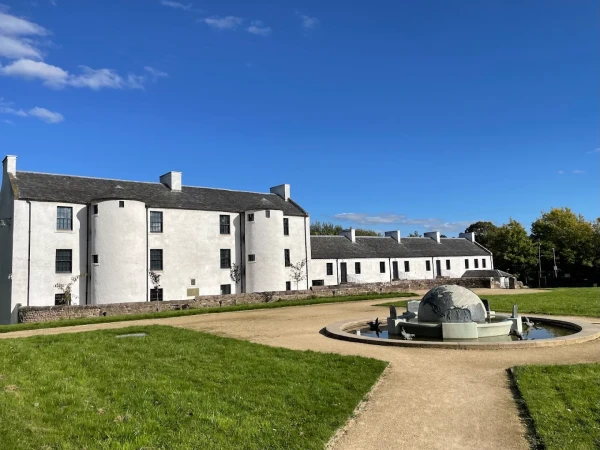
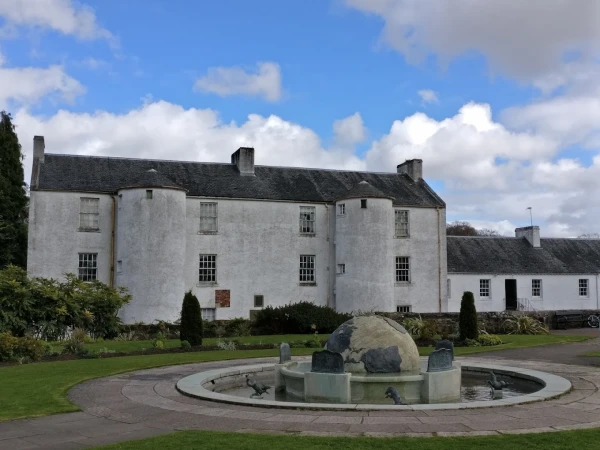
The David Livingstone Birthplace is an engaging heritage site that brings the incredible story of Scotland's most famous explorer to life for a new generation. It is one of the best things to do with kids in Blantyre, combining a modern museum with sprawling parklands and an outdoor play area. Located in the historic Shuttle Row, where Livingstone was born and raised, the center offers a unique mix of indoor learning and outdoor adventure.

Prices start from £3.00 for children and £7.50 for adults for standard museum entry. Family tickets are available to keep your day out affordable, and the surrounding 11 hectares of parkland and the children’s play park are free for everyone to enjoy.

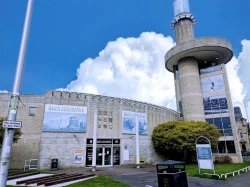
If you are looking for the best place for a day out with family and kids that offers an educational day out with plenty of room to run around, this museum is a top choice. It provides a perfect balance of history, hands-on exhibits, and fresh air just a short trip from Glasgow.

Features

  • Paid
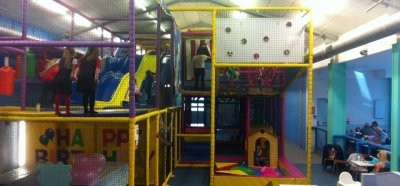
  • Host birthday parties: Yes

Features

Key Features & Learning Experiences

  • Interactive Biographical Exhibits: Hands-on displays let children trace a timeline from a Scottish mill worker to a world-famous explorer.
  • Cross-Cultural Education: The galleries display African artifacts, highlighting the crew and local communities who supported the expeditions.
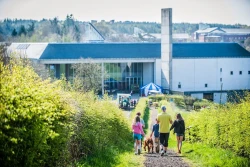
  • Scenic Riverside Setting: Set within 11 acres of parkland along the River Clyde, providing space for kids to burn off energy.
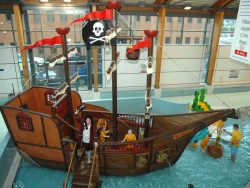
  • Outdoor Play Park: A themed adventure play area featuring climbing frames and equipment inspired by exploration voyages.
  • Sensory Learning Trails: Indoor interactive points invite children to handle objects, listen to soundscapes, and solve tracking puzzles.

Top 5 Museum Highlights

  • The Single-Room Tenement Home: Step directly inside the original tenement room where David Livingstone was born and raised alongside his family. This cramped space offers a stark, eye-opening contrast to modern homes, helping children understand what life was like for working-class Victorian kids.
  • The Pilkington Jackson Sculptures: These famous, dramatic statues vividly depict key moments from African expeditions, including the infamous lion attack. Kids are drawn to the action-packed figures, which serve as an excellent focal point for talking about wildlife and survival skills.
  • The Interactive Navigation Gallery: A space packed with hands-on tools where children can learn how to navigate using the stars, maps, and compasses. Young explorers can try out traditional instruments to understand how expeditions mapped routes across unfamiliar terrain without modern GPS.
  • African Artifacts and Cultural Collections: The museum showcases a diverse collection of clothing, tools, and ceremonial items from the regions of Africa that the crew visited. This display helps children see the stories from multiple angles, highlighting the culture, knowledge, and assistance of African guides like Chuma and Susi.
  • The Steam Engine and Mill Display: Before setting off on global voyages, the young explorer worked long hours as a piecer in the local cotton mill. This exhibit features industrial machinery that helps children visualize the tough conditions faced by child labourers during the Industrial Revolution.

Facilities

  • Toilets & Baby Changing: Fully accessible toilets and dedicated baby changing facilities are located inside the main visitor centre.
  • Food & Drink: The on-site café serves hot drinks, light lunches, traybakes, and kid-friendly snack packs.
  • Buggy Parking & Access: The museum galleries, café, and gift shop are fully accessible for prams and wheelchairs, with wide pathways throughout.
  • Gift Shop: Features a range of educational books, pocket-money toys, and explorer kits for children.

Pro-Tips for Parents

  • Best Time to Visit: Arrive early in the morning on weekends to explore the indoor galleries in a quieter environment before afternoon crowds arrive.
  • Pack Outdoor Gear: Because the site is linked to river pathways and a large outdoor park, bringing wellies and a waterproof jacket ensures kids can enjoy the play areas rain or shine.
  • Check the Events Calendar: The trust frequently hosts weekend family workshops, craft sessions, and seasonal storytelling events that are included with standard entry.

Frequently Asked Questions

  • Is the David Livingstone Birthplace suitable for toddlers? Yes, the museum is highly welcoming to toddlers because it features flat, buggy-friendly floors and an excellent outdoor adventure play park. While younger toddlers might not grasp the historical context of the exhibits, the indoor sensory soundscapes, interactive buttons, and large parkland spaces keep them fully entertained.
  • How long does a typical visit take? A standard visit to the museum galleries takes between 1 and 2 hours. If you add in time for children to use the outdoor adventure play park, walk along the river paths, and stop at the café, most families spend around 3 hours on-site.
  • Where is the best place to park? The best place to park is in the museum's own dedicated visitor car park located right by the main entrance building. This space offers easy, flat access to the visitor center, though it can get busy during peak summer weekends.
  • Are there cheap indoor activities in South Lanarkshire here? Yes, this venue serves as an affordable option for rainy days because you only pay for the indoor museum exhibition itself. Families looking for cheap indoor activities in South Lanarkshire can use the café and visitor hub for shelter, while exploring the historical galleries provides an educational, budget-friendly indoor escape.

The Visitor Verdict: What Parents Really Think
What Visitors Love

  • The interactive digital games and tactile displays keep younger children engaged throughout the historical tour.
  • The large outdoor play park and green spaces make it easy to stretch a museum visit into a full afternoon out.
  • The museum provides a balanced, updated history that prompts great family discussions about empire, trade, and teamwork.
  • Staff members are exceptionally welcoming, helpful, and eager to share stories with interested children.

What Visitors Don't Like

  • The indoor museum section can feel a bit small for older teenagers seeking high-energy entertainment.
  • Parking spaces can fill up quickly during peak sunny weekend afternoons.

What to see

Detailed Inventory

  • The collection at the David Livingstone Birthplace is internationally significant, showcasing original items from 19th-century explorations alongside local industrial history. Because this is a museum, the core exhibition spaces display specific historical items and sub-exhibits rather than broad thematic categories.
  • The Expedition Compass: A genuine brass pocket compass used by Livingstone to map out uncharted river courses across central Africa.
  • The Charles d'Orville Pilkington Jackson Tableaux: A unique series of backlit, bas-relief sculptures that dramatically depict major turning points in the explorer's life, including the famous wild lion attack.
  • Jacob Wainwright's Diary Entry: A rare, handwritten log created by Livingstone's African crew member in 1873, documenting the final days and inventory of the expedition team.
  • The Blantyre Works Library Collection: A surviving collection of 18th and 19th-century educational books that were made available directly to cotton mill workers and read by a young Livingstone.
  • The Mill Works Bell: The large, historic iron bell that originally sat atop the Blantyre Cotton Works factory, used to signal the grueling shift changes for child labourers.
  • The Oak Carving "The Last Journey": An intricate, historical sculpture carved from solid oak by Pilkington Jackson in 1930 to represent the journey taken by his crew to return his journals to Britain.
  • Archibald Elliot Haswell Miller Murals: A striking collection of 19 original tempera wall panels and canvas paintings mounted throughout the galleries, visually narrating daily life in the historic Blantyre Mills.
  • The Cotton Industry Spinning Jenny: A preserved, authentic 19th-century weaving machine representative of the heavy industrial equipment managed by young mill piecers.
  • Hand-Woven Blantyre Handkerchief: An original piece of textile manufactured, spun, and dyed completely on-site by the community workers at the local Blantyre Works.

Beyond the Main Attraction

  • Families visiting the venue can extend their day out by exploring a wealth of secondary historical spots, woodland paths, and peaceful community landmarks situated directly around the estate grounds.
  • The Explorers Garden: A beautifully landscaped courtyard space directly adjacent to the main visitor center, designed with sensory planting arrangements that mirror the diverse climates and flora encountered during the African expeditions.
  • The Clyde Walkway Path: A flat, scenic walking track running alongside the River Clyde directly behind the museum grounds, perfect for family bike rides or a quiet walk down towards the historical suspension bridge.
  • The David Livingstone World Fountain: A grand, sculpted stone monument located within the public parklands that frames the entrance gates, serving as a popular gathering point for family picnics.
  • Blantyre Priory Ruins: Located just across the riverbanks, these ancient medieval ruins provide an atmospheric destination for older kids who enjoy exploring local history and folklore trails.

New for 2026

  • The David Livingstone Birthplace has launched an updated lineup of specialized community engagement workshops and interactive family activity sessions designed for the 2026 calendar year.
  • The 2026 "Wee Explorers" Nature Sessions: A brand-new outdoor learning initiative running through 2026 where parents and toddlers gather in the Explorers Garden to gather natural resources, sing songs, and create nature-themed crafts.
  • Livingstone's Green Connections Workshops: An updated series of eco-focused interactive weekends running throughout the spring and summer months of 2026, linking historical navigation lessons with modern environmental care.
  • The 2026 "Mini & Me" Family Yoga Program: Newly introduced morning wellness sessions held inside the community hub spaces, combining playful stretching and movement stories for parents and young babies.

Events: For more upcoming events please visit here.

Price

Price: Paid

Price Details

General Admission

  • Adult (16+): £7.50
  • Child (5–16): £3.00
  • Under 5: FREE
  • Concession (60+ / unemployed): £6.45
  • Family (up to 2 adults + 2 children): £18.00
  • Carer: FREE

Special Tickets & Activities: Adult Ticket with Tour (11:00): £10.00

Classes & Events (Example Date: 8 May 2026)

  • Chair Yoga for Every Body (Adult): £5.00
  • Yoga Session (Adult): £5.00
  • Mini & Me Yoga Classes (Adult): £5.00
  • Wee Explorers (Child): £3.50

Pricing URL: https://shop.dltrust.uk/tickets

Birthday Parties

Offer Birthday Parties: Yes

Birthday Party Details

The museum sits inside a large public park that features dedicated walking routes along the River Clyde. Directly outside the museum building, families can use the custom-built Adventure Play Park, which has wooden climbing structures styled like expedition boats and geographic landmarks. The park and riverside trails are completely free to access and open year-round, making it a great spot for an outdoor picnic after touring the indoor galleries.

  • Museum & Café: Open daily from 10:00 am – 4:30 pm. Last Admission: 3:30 pm.
  • Tours: Will be running at 11:00 on Wednesday, Friday and Sunday.

Address: David Livingstone Centre, 165 Station Road, Blantyre, Glasgow G72 9BY, UK

Post Code: G72 9BY

Council: South Lanarkshire

County: Lanarkshire

  • By Train: Just a 5-minute walk from Blantyre Train Station, which has regular services from Glasgow Central.  
  • By Bus: First Glasgow buses 263 and 267 stop at the top of Station Road (6-minute walk).  
  • By Car: Free on-site parking is available for all visitors. The car park is open 24 hours and is situated right next to the museum entrance.
  • Parking: The official on-site car park is the best option. It is free, secure, and places you right at the heart of the attraction.

5.00

0 Reviews

Rating breakdown

5
80% Complete (danger)
0
4
80% Complete (danger)
0
3
80% Complete (danger)
0
2
80% Complete (danger)
0
1
80% Complete (danger)
0

Get the best blog stories into your inbox!